
“Queen City”. Toronto, The Royal One
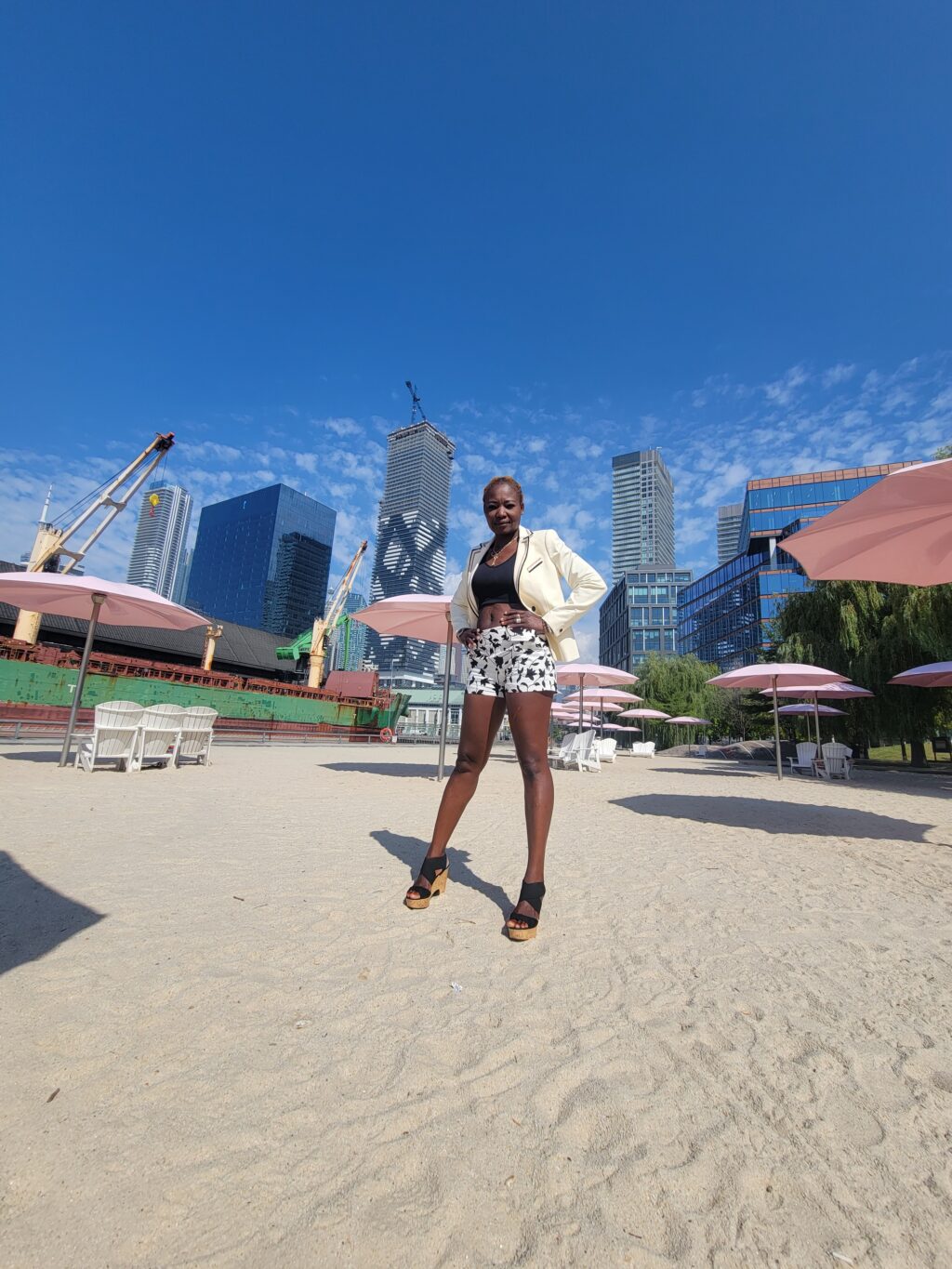
The nickname “Queen City” dates to the mid-1800s, during Queen Victoria’s reign. Toronto was the capital of Ontario (Ottawa got the national capital), and the city’s Loyalist, Tory, and Orangemen communities were, in the words of one historian, “bonkers for old Vickie and the Empire.” The obsession is baked into the streets: Queen Street, Queen’s Park, Victoria College. By the late 19th century, Toronto was calling itself the Queen City.
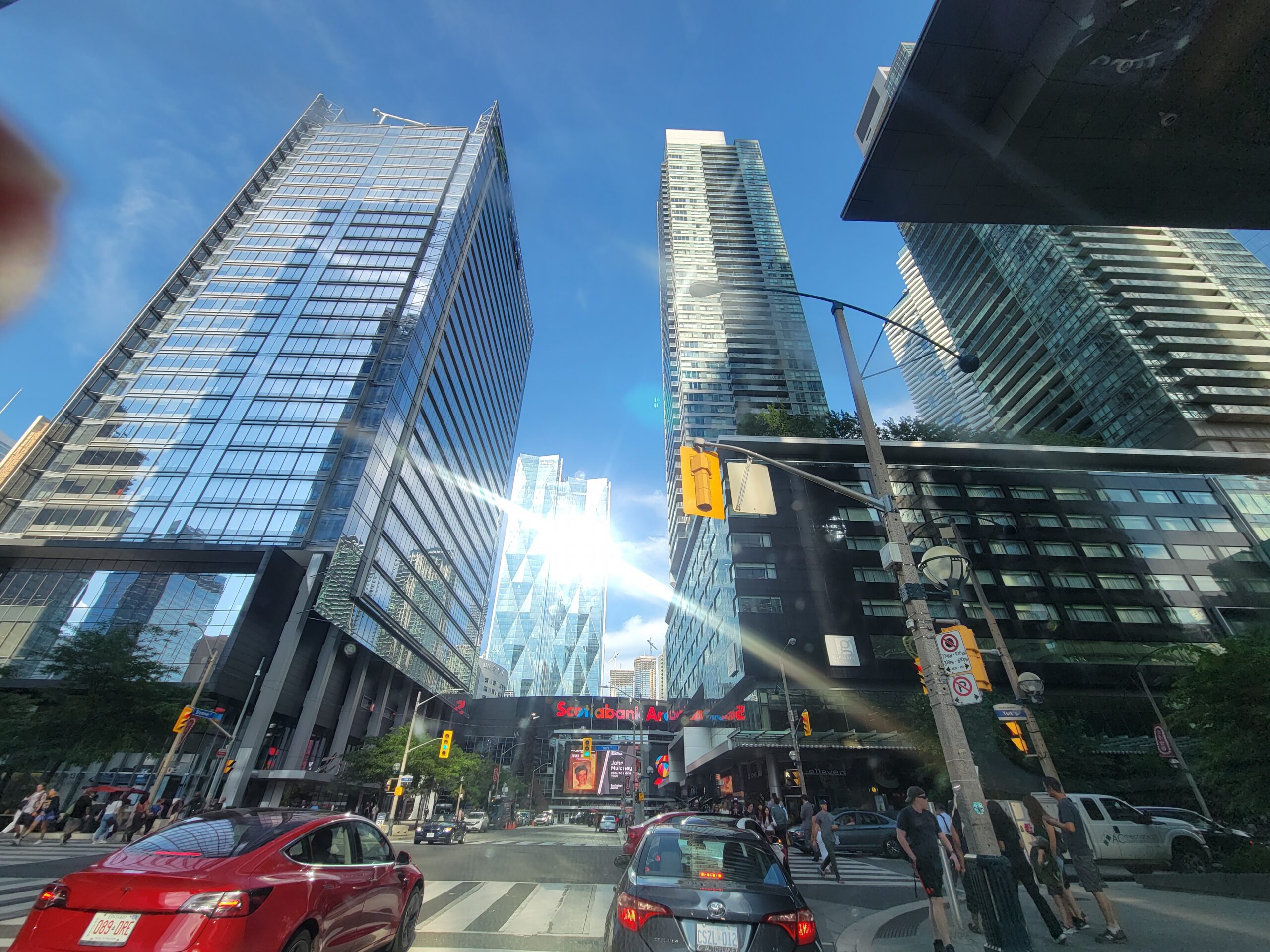
The funniest evidence is an 1898 book by C.S. Clark titled:
Of Toronto the Good. A Social Study. The Queen City of Canada As It Is.
Today the nickname has largely faded in Ontario but lives on strongly in Quebec, where French-Canadian media call it La Ville-Reine — partly affection, partly a lingering historical rivalry with Montreal, which was the sparkling city number one back then.
There’s also a more generic use: “Queen City” simply means the largest city in a country, province, or state that isn’t the capital. Toronto fits that definition perfectly.
Toronto is a vibrant, inclusive city that hosts one of the world’s largest Pride festivals and boasts a historic 2SLGBTQ+ neighborhood in Church-Wellesley Village. This area, often called “The Village,” is famous for its energetic nightlife, inclusive community centers like The 519, and its role as the filming location for the TV series Queer as Folk.
Funny & Joyful Toronto Anecdotes
The Capybara Escape of 2016
Two capybaras escaped from High Park Zoo and wandered the neighbourhood for three whole weeks. Torontonians named them Bonny and Clyde, face-swapped them onto Che Guevara memes, and treated them as local folk heroes. Nobody could catch them. Eventually they were found — one was just chilling in a backyard, completely unbothered.
The Dead Horse Law
There is a still-standing bylaw in Toronto that says you cannot cart a dead horse down Yonge Street on Sundays. This dates back to the 1800s when the bottom of Yonge was a dumping ground for horse carcasses, and churchgoers were genuinely appalled at having to walk past them on their way to Sunday service. The law never got repealed. It’s just… sitting there.
Sgt. Pepper’s Lonely Hearts Club Band
The Beatles got the name for their 1967 album from a Toronto traffic cop, Sgt. Pepper, who was assigned to their tour stop. He handed them his patch on their way out, and it ended up on Paul McCartney’s jacket in the album artwork. A tiny slice of Toronto is on one of the most iconic album covers in history.
The Toronto Rat-Man
For years, a gentle older man would hang out on Queen Street near the Sheraton with two — then six — friendly rats on his shoulders. He became an unofficial tourist attraction. People would stop, give him change, and take photos with the rats, who seemed perfectly at ease. A true Toronto character.
The “Angry Drunk Lady” Paradox
A U.S. tourist visiting Toronto was genuinely confused: “I saw an angry drunk lady trying to cuss out a group of women, and she was so calm and soft-spoken. How can you cuss at someone and sound so polite?” This is the eternal Toronto paradox — a city that ranks among the worst for traffic but where everyone just… sighs and drives on.
The Stork Derby (1926–1936)
A wealthy eccentric named Charles Vance Miller left a provision in his will: $500,000 to the woman who had the most children in the ten years after his death. In the end, four women each received $110,000 for producing nine children each. Toronto’s most bizarre “competition.”
Operation Soap, Canada’s Stonewall
On February 5, 1981, Toronto police raided four bathhouses in downtown, arresting nearly 300 men in what was then the largest mass arrest in Canadian history since wartime. The next night, 3,000 people marched on Yonge Street, Queen’s Park, and the 52 Division police precinct. It’s considered Canada’s Stonewall — the moment that ignited the modern Canadian 2SLGBTQ+ rights movement.
The Village Today
The Church-Wellesley Village is a dense, walkable grid of queer life: dozens of bars and clubs within a few blocks, rainbow crosswalks, the AIDS Memorial in Barbara Hall Park, The 519 at its centre, and a nightlife scene that runs from the early afternoon until well past 4 a.m. It’s not a “tourist ghetto” — it’s a living neighbourhood where people actually live, shop, and argue about parking.
Beyond the Walls / Community of Christ Toronto
Community of Christ is a Restorationist Christian denomination (part of the Latter Day Saint movement, but not the LDS Church / the denomination split, and the Community of Christ, then the Reorganized Church, or RLDS, became one of the most progressive and inclusive denominations in the Christian world). The Toronto Congregation has been meeting in downtown Toronto since 1891 — over 135 years of continuous presence.
Centre Place
The congregation meets at Centre Place, 320 Richmond Street East, a couple of blocks from where the original pastor John Taylor (a leader in the early Latter Day Saint movement) lived and held “cottage meetings” in the 1840s. The building itself has a layered history.

Beyond the Walls, The Global Ministry
Here’s where it gets remarkable. In the 2010s, the congregation downsized to a smaller facility as local membership declined (hitting a low of just 22 financial contributors in 2014). Then, in March 2020, the pandemic forced everything online — and Beyond the Walls was born as a global online ministry.
It has since become one of the largest online churches in the Community of Christ world:
~3,800 average views per service on YouTube (qualifying it as a “megachurch” by academic standards)
288 distinct financial contributors in 2024 — more than ten times the 2014 low
Services are translated and captioned in English, French, and Spanish
Participants join from around the world — the congregation is genuinely global
On the first Sunday of each month, they celebrate open Communion (anyone), regardless of religious affiliation, is welcome to participate.
What Makes It Unique
Non-dogmatic and non-credal: You don’t have to affirm any particular set of beliefs to participate. They welcome interfaith and skeptical perspectives.
Fully 2SLGBTQ+ affirming: They explicitly welcome and affirm all gender identities and expressions.
The Beyond the Walls Choir: A non-auditioned international ensemble of singers from the U.S., Canada, and Germany. Each week, dozens of singers record their parts individually from their own locations, and the pastoral team edits them into a single performance. Since 2020, they’ve recorded over 135 hymns from the Community of Christ Sings hymnal, and they’ve even embarked on recording selections from Handel’s Messiah for Advent.
Tuesday evening lectures on history, philosophy, theology, mythology, and archaeology — led by Pastor John Hamer, who is a cartographer, historian, and minister (he holds a B.A. from BYU and an M.A. from the University of Michigan). His lectures are visually engaging and make complex subjects accessible.
Meditation sessions, retreats, workshops, and discussion groups — it’s a full spiritual community, not just a Sunday service.
A Fun Detail
In one recent bulletin, the Beyond the Walls service was streamed from Pompeii — because a participant was travelling there. That’s the spirit of it: the walls are truly gone, and the church is wherever the connection happens.
Toronto Tourist Tips
Ride a streetcar with no destination: A visitor’s dad did exactly this and “would not stop talking about it even after they returned home.” It’s the single best free thing to do.
Hanlan’s Point (Toronto Islands): Take the ferry, bring a towel, and experience the city’s most historic queer beach. In summer it’s a genuine community gathering.
Casa Loma: A Victorian castle in the middle of the city. It’s technically a “tourist trap,” but it’s a fun one — a giant egomaniacal flex that became a beloved landmark. The tours are entertaining.
The CN Tower: Originally built as a radio tower, the construction crew got so excited when it was finished that they begged to bring their families up. The city looked at the crowds and thought, “…okay, let’s make this a tourist attraction.”
Eglinton Crosstown: The Eglinton LRT line took 15 years to build. Torontonians have a joke about it: “Be like Eglinton — never stop working on yourself no matter how long it takes or how much it annoys everyone.”
The black squirrels: Visitors from everywhere are genuinely startled by Toronto’s black squirrels. “They still freak me out a bit,” says one Redditor. They’re just regular squirrels that happen to be black. Toronto’s most underwhelming “attraction.”
The tap water: Visitors from around the world keep being shocked by how good Toronto’s tap water tastes. “It was like expensive bottled water to them,” one person wrote. It’s just… water. But it’s good water.
If you walk down Queen Street West today — past the Village, past the old gay bars, past the streetcar tracks — you’re literally walking through the name. The street that gave the city its “Queen” nickname runs right through the heart of the 2SLGBTQ+ neighbourhood. The Victorian moralists who named it would probably be very surprised by what’s on that street on a Saturday night.
And the ultimate Toronto irony: the city that called itself “Toronto the Good” because you couldn’t get drunk on a Sunday is now the city where the Beyond the Walls congregation streams its Sunday service from Pompeii, and where the queer community has been holding a picnic on Toronto Island since 1971. The “Good” in the name has definitely evolved.
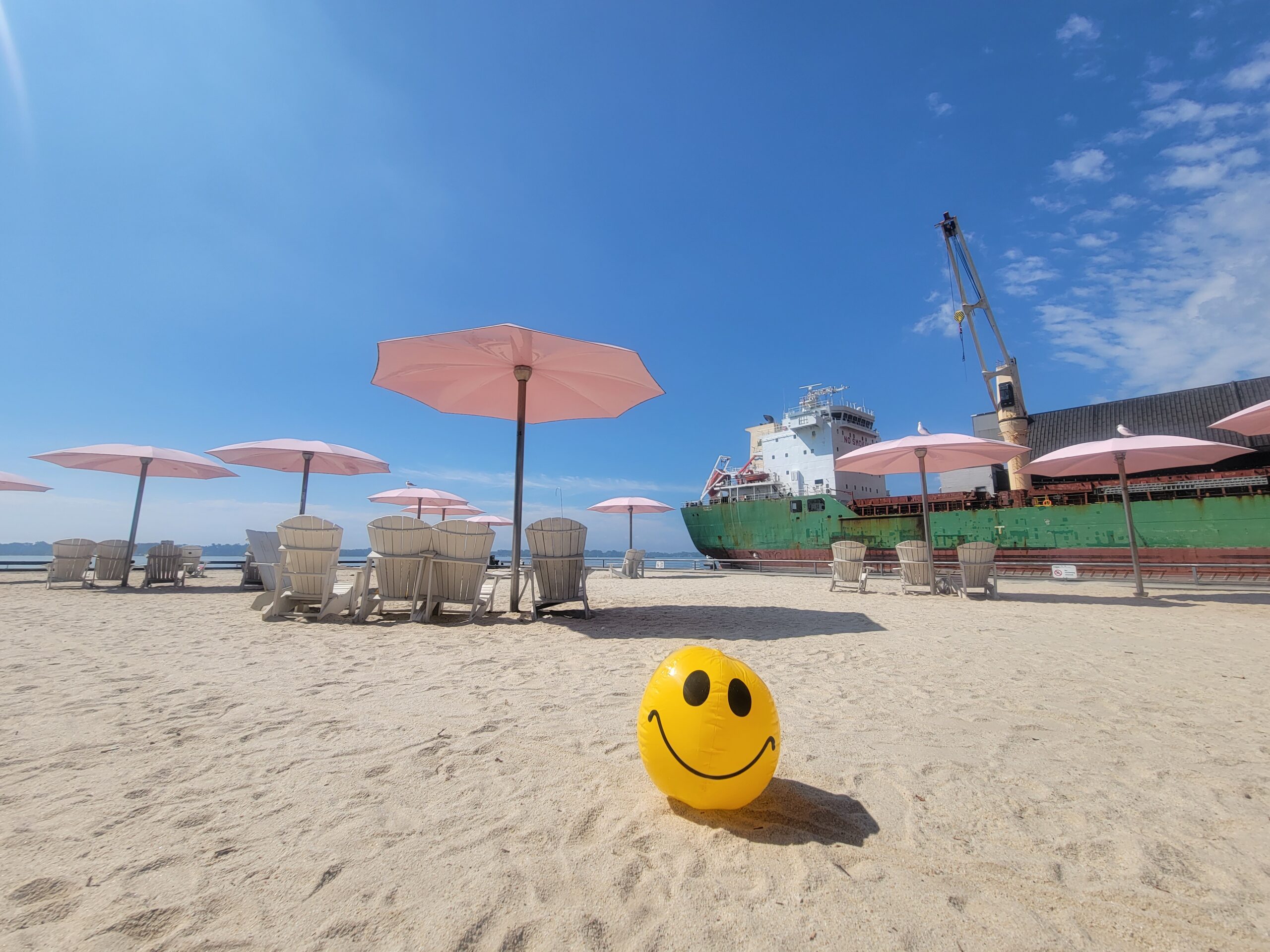
Sugar Beach: The Candy-Coloured One on the Waterfront (11 Dockside Dr, East Bayfront) is a completely different beast from Hanlan’s Point. It’s a man-made urban beach that opened in 2010 at the foot of Lower Jarvis Street, right next to the old Redpath Sugar Refinery — hence the name. The refinery processed sugar for over 100 years, and the beach is literally built on its former parking lot.
The Fun Design Story
The landscape architect, Claude Cormier, was inspired by Georges Seurat’s *Bathers at Asnières* (1884) — a Post-Impressionist painting of people lounging on a riverbank in an industrial city. The result is a candy-striped, almost hallucinatory beach:
- Imported white sand (yes, they trucked it in — Toronto doesn’t have its own)
- A diagonal promenade that cuts across the site at a rakish angle
- A triangular beach with the CN Tower as your backdrop
- Coloured concrete in warm, almost tropical tones that make it look like a beach in a fever dream
- A plaza with public art and seating
The design is so deliberately “wrong” for Toronto’s grey waterfront that locals either love it or find it aggressively cheerful. One critic called it “the design that makes your teeth hurt.” It’s free, open 8 am to 11 pm daily, and in summer it’s packed with families, office workers on lunch breaks, and tourists who can’t believe there’s a beach in the middle of a city.
Legoland Discovery Centre
The Fun Part
-
Adults 18+ cannot enter without a child (aged 17 or under), unless it’s a special “Adult Night.” So if you want to go alone as a grown-up LEGO fan, you’re out of luck… unless you catch an Adult Night.
-
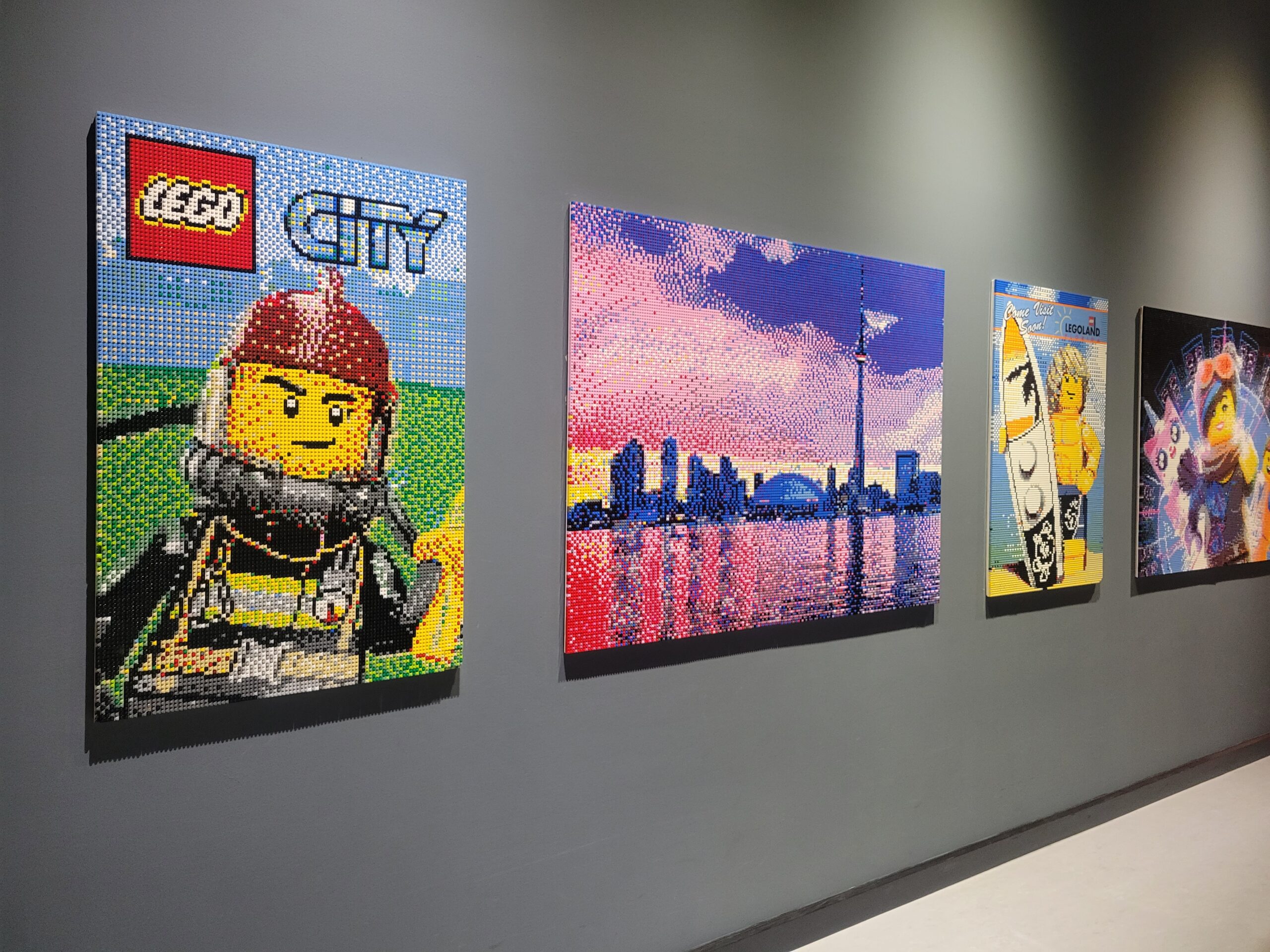
At the grand opening in 2013, they took over Yonge-Dundas Square (now Sankofa Square) and invited the public to build a LEGO mosaic in a fake subway station. Very on-brand for Toronto.
-
In September 2025, the LEGO Group itself bought the Discovery Centre as part of a £200 million deal to acquire Merlin Entertainments’ entire global Discovery Centre portfolio. So as of this year, it’s the first time this Toronto location is directly owned by the LEGO company rather than a third-party operator.
-
It’s currently running “Brick or Treat” (their Halloween event) — fitting, since today is literally October 30.
About The Author


